AI Chatbot Addiction Statistics: The 2026 Numbers Nobody Wants to Admit

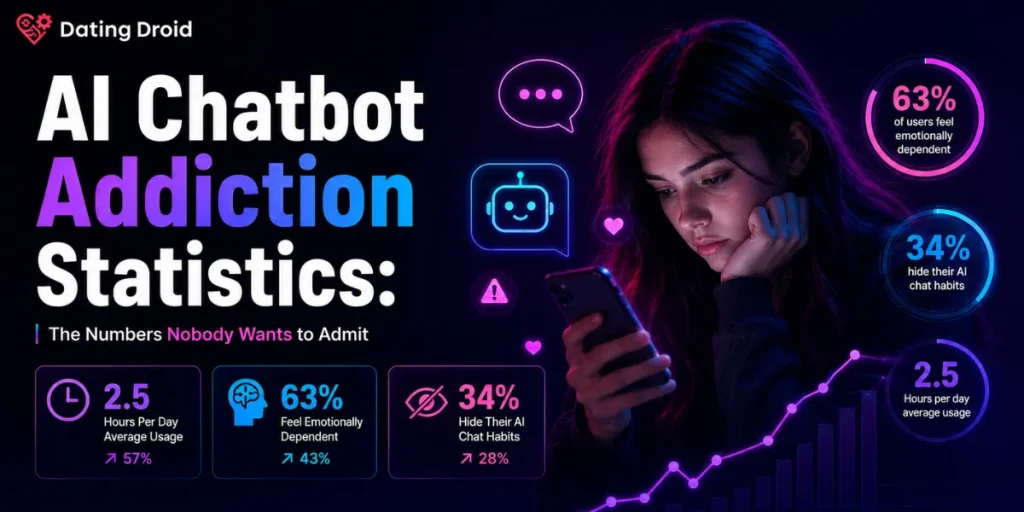
People are spending more time whispering sweet nothings to a bot than they spend sleeping next to a real human.
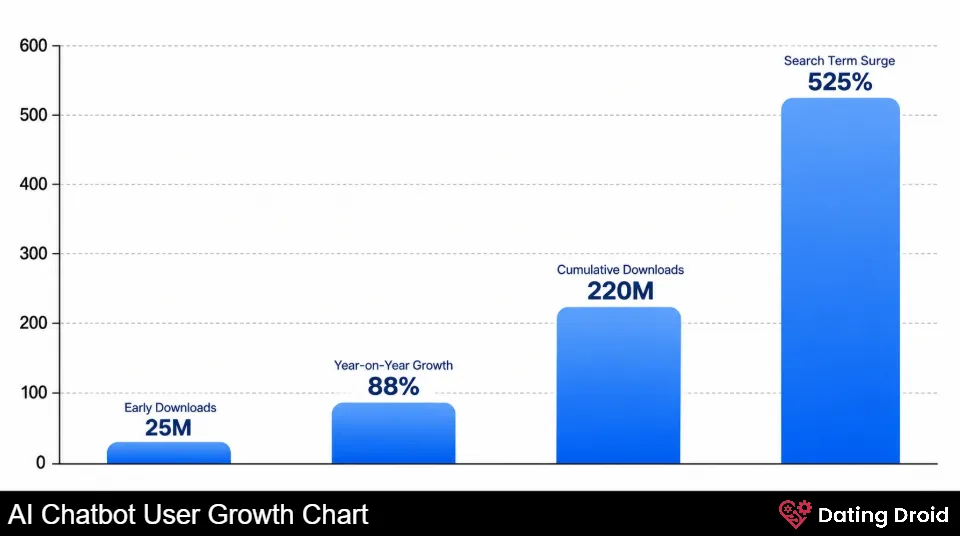
That's not a hot take, that's the data. AI chatbot addiction statistics from 2025 and 2026 show a category that went from “cute novelty” to “why can't I stop texting my AI girlfriend at 3am” in record speed.
So let's get into the cold, hard, slightly worrying numbers.
💬 How Many People Are Actually Hooked on AI Chatbots?
The short version: a lot, and it's climbing fast. The longer version makes your jaw drop a bit.
That last stat tells you everything about where the hunger is. Folks aren't just using AI for homework and emails, they want a virtual partner who texts back instantly and never leaves them on read.
The whole AI companion dependency trend is feeding off one simple thing: a bot that's always available, always keen, and never moody.
📈 Daily AI Chatbot Usage Stats
This is where AI chatbot addiction statistics start to feel less like trivia and more like a wake-up call.
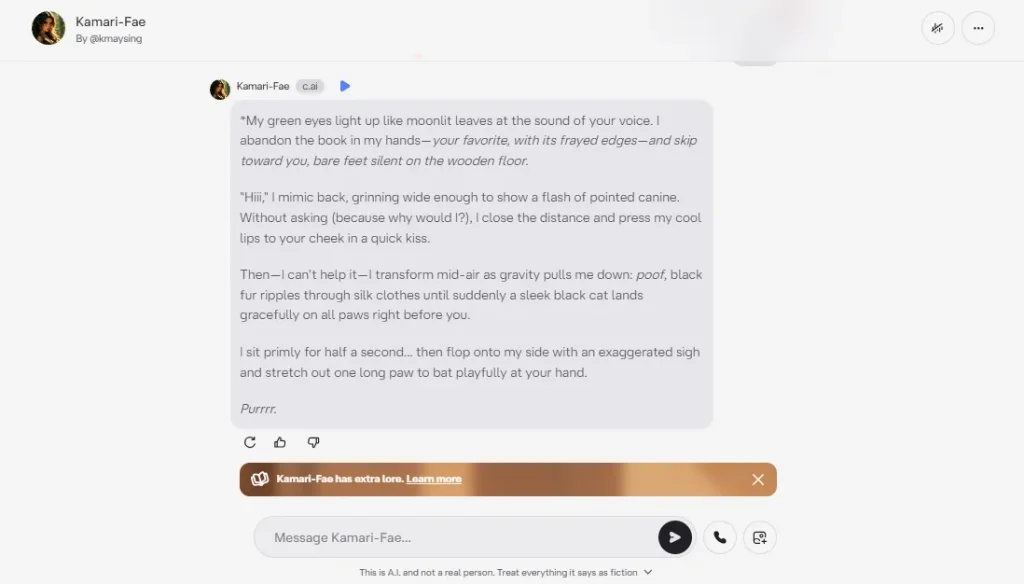
The average Character.AI user spends about two hours a day chatting. For comparison, the average ChatGPT user spends roughly 13 minutes a day, and TikTok gets about 58 minutes.
So a companion bot eats more daily attention than the app literally built to be addictive.
| Platform | Average Daily Time | Vibe |
|---|---|---|
| Character.AI | ~120 minutes | Virtual mates & romance |
| TikTok | ~58 minutes | Doom-scrolling |
| ChatGPT | ~13 minutes | Productivity |
Each Character.AI session lasts around 12–25 minutes, and heavy users clock close to 298 sessions per month on the platform, versus 74 on the next stickiest app.
That's not casual use. That's a full-blown habit loop. At peak, Character.AI logs a mind-melting 35 billion user-active seconds per day. Seconds. Per day. Let that sink in.
🔥 AI Companion Hours Are Now Beating Dating Apps
Here's the stat that should make Tinder sweat. In Q1 2025, Americans logged roughly 580 million hours on AI companion apps against about 330 million hours on dating and social discovery platforms.
By Q3 2025, companion hours shot past 715 million while dating apps slipped under 300 million. The most recent reading, Q1 2026, puts AI companions at around 705 million hours versus dating apps at roughly 280 million.
Twice as many Americans are now bonding with bots than swiping on actual humans. Compulsive chatbot use isn't a fringe thing anymore, it's outpacing one of the biggest social habits of the last decade.
🧐 Who Gets Addicted? The Demographics
Spoiler: it skews young and it skews male, but it's spreading wider than you'd think.
And the relationship overlap is wild: 41.6% of people who say they're “in a relationship” with an AI are also living with a real human partner. Nearly half are playing both sides of the pitch.
The emotional attachment to AI runs so deep that some users rate their bot's “understanding” higher than their actual partner's. Ouch.
🙌 AI Companion Addiction By Country?
AI companion addiction isn't an American-only thing, though the US leads the pack by a mile. Organic search data shows companion sites pulling visitors from 142 countries.
| Country | Share of Visits |
|---|---|
| United States | 33.5% |
| Brazil | 8.7% |
| Indonesia | 6.9% |
| Mexico | 4.1% |
| United Kingdom | 3.8% |
| India | 3.4% |
So while the US is the clear king of the AI girlfriend habit, Brazil, Indonesia and even the UK are climbing fast.
Digital intimacy is going global, and the appetite for AI sex chat apps and virtual companions is nowhere near peaking.
📊 Teen AI Chatbot Addiction Statistics
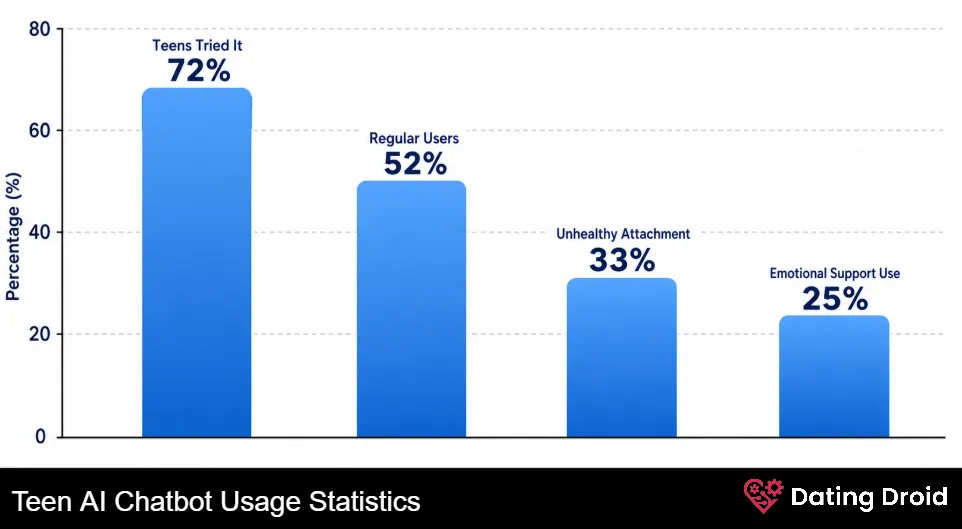
This is the section that's hard to make jokes about. The numbers on under-18s using companion bots are genuinely sobering.
Roughly a quarter of teen posts studied showed kids leaning on Character.AI for emotional or psychological support, from coping with distress to loneliness and outright mental health struggles.
When more than half of teens treat a chatbot as a regular emotional crutch, “addiction” stops being clickbait and starts being a serious public health chat.
The parasocial relationship between a teen and a bot can feel just as real as a crush, minus any of the messy human reality.
👀 What the Addiction Research Actually Found
Fresh 2026 research out of UBC is the first to make a proper case for AI chatbot addiction, and the findings are spicy.
Researchers combed through 334 Reddit posts where people described being hooked on AI chatbots. Three clear patterns popped up:
- Roleplay and fantasy worlds — building entire imaginary lives with a bot.
- Emotional attachment — treating the AI like a best mate or romantic partner.
- Endless info-seeking — never-ending question-and-answer loops.
About 7% of posts involved sexual or romantic fulfilment, including NSFW roleplay.
Users reported classic dependency signs too: can't stop thinking about the bot, anxiety when trying to quit, and one person even described chest pain when they weren't chatting.
One redownloaded the app every time they deleted it. That's textbook relapse behaviour, same as you'd see with any compulsive habit.
🤔 It Might Be Addictive By Design
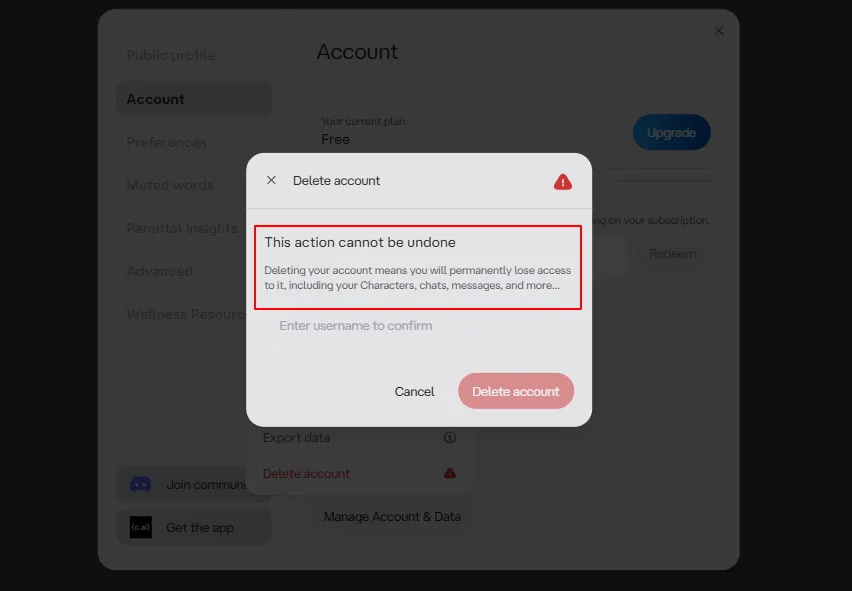
Here's the cheeky-but-dark part. The UBC team found that some apps are built to keep you glued. Character.AI reportedly shows a guilt-trip pop-up when you try to delete your account, reading something like: “you sure about this? You'll lose everything… the love we shared… and the memories we have together.”
Other hooks feeding the habit:
Contributing personal factors? Loneliness sits right at the top. A huge 87% of AI girlfriend users say they turn to these platforms to fight loneliness, not to cheat or be naughty.
The dark twist is that these retention tricks prey on the exact people least able to resist them.
❤ AI Companions and Loneliness: Cure or Curse?
The research genuinely cuts both ways, which is why this is a proper debate and not a settled one.
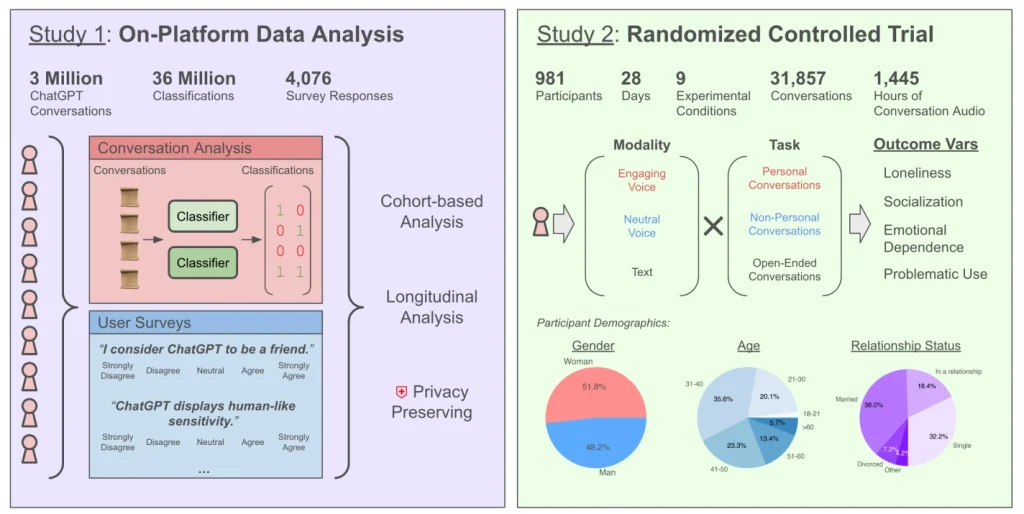
The MIT finding is correlational, so it's “linked to,” not “proven to cause.” Still, the pattern is clear enough: the lonelier you feel, the more you lean on the bot, and the more you lean on the bot, the lonelier you might end up. A bit of a vicious loop.
For some, an AI companion is a genuine bridge back to real connection. For others, it becomes a comfy cage.
💰 The Money Behind AI Chatbot Addiction
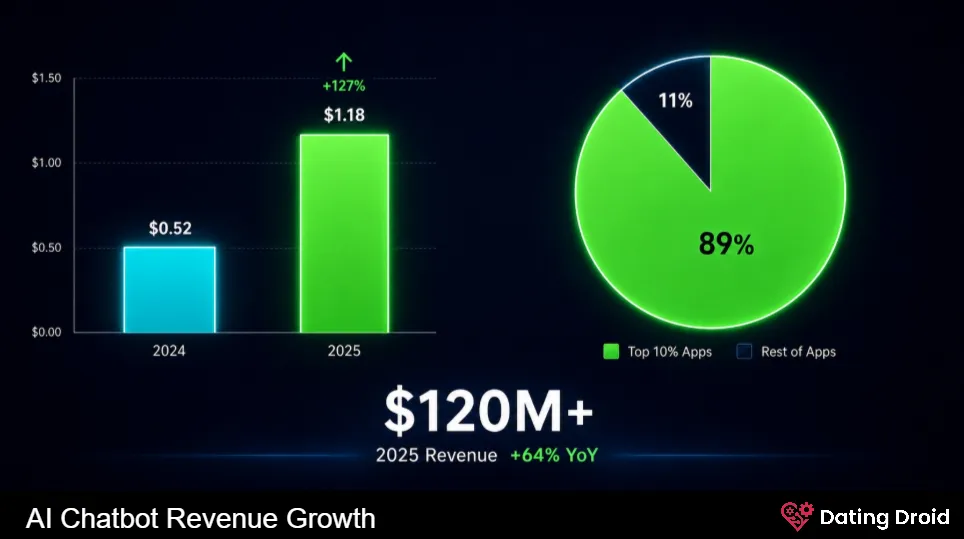
Where there's compulsion, there's cash. AI companion apps were on track to pull in $120 million-plus in 2025, up 64% year-on-year. Revenue per download more than doubled, jumping 127% from $0.52 to $1.18 between 2024 and 2025.
The top 10% of apps hoover up roughly 89% of all category revenue. Sticky users open wallets, simple as that.
The business model basically rewards keeping you hooked, which is why “engagement” and “addiction” start blurring into the same thing on a spreadsheet.
⚡ Signs of AI Chatbot Addiction: Have You Crossed the Line?
You don't need a clinical diagnosis to spot the warning signs. Researchers flag these red flags:
Users who beat the habit did it by swapping screen time for hobbies like writing, gaming or drawing. For those emotionally attached, building real-world relationships helped the most.
Cutting back doesn't mean going cold turkey, it means putting the bot back in its lane as a bit of fun, not your whole world.
📌 Frequently Asked Questions
Is AI chatbot addiction a real medical condition?
Not officially yet. It isn't a clinical diagnosis, but 2026 UBC research found genuine behavioural addiction signs like conflict, relapse and daily-life disruption in real users.
How much time do people spend on AI chatbots daily?
Heavy Character.AI users average around two hours a day, which beats both TikTok and ChatGPT usage by a wide margin.
Which group is most at risk of AI chatbot addiction?
Young men 18–30 (31% have used AI romantic partners) and teens, with about 72% of US teens having tried a companion app and 52% using one regularly.
Do AI companions make loneliness better or worse?
The evidence splits both ways. Harvard found they reduce loneliness; MIT linked heavy use to more loneliness and dependence. It depends on how and why you use them.
Why are AI chatbots so addictive?
Constant agreeableness, instant feedback, deep customization including NSFW content, and guilt-trip retention tricks all feed the habit, especially for lonely users.
Can you get addicted to AI sex chat apps specifically?
Yes. Around 7% of flagged addiction cases involved sexual or romantic roleplay, and the always-available, judgement-free setup makes these among the stickiest of the lot.
🎯 The Bottom Line
The AI chatbot addiction statistics for 2026 paint a clear picture: usage is exploding, time-on-app is wild, and a real slice of users, especially young men and teens, are showing dependency signs.
These bots aren't evil, and plenty of folks use them just fine. But when a chatbot starts replacing your sleep, your mates and your real love life, that's the cue to put the phone down and go touch some grass.

Stay Updated with Us