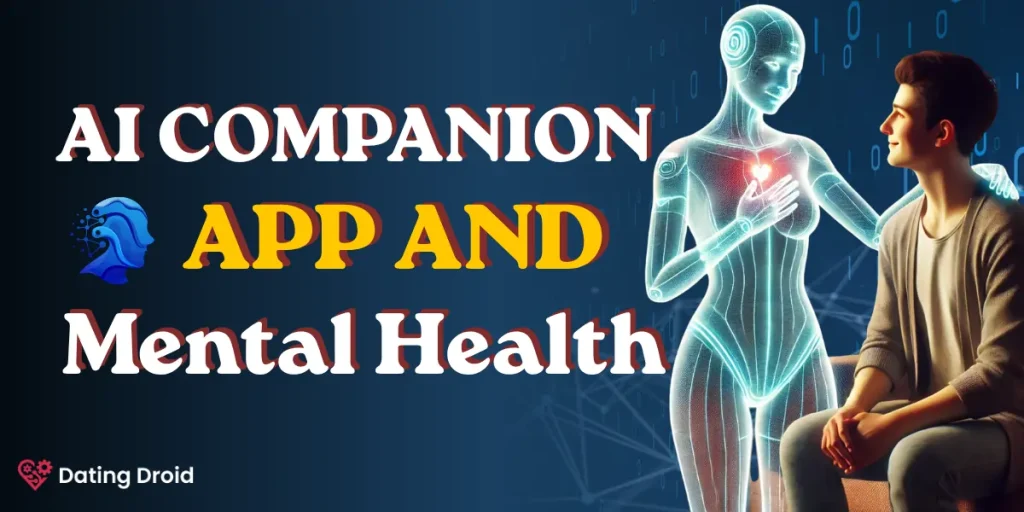
AI Companion Apps and Mental Health: Benefits vs. Risks

AI companion apps have quietly gone from “weird tech novelty” to a real part of how millions of people manage their emotional lives.
People are opening up to chatbots about anxiety, grief, loneliness, and relationship problems — things they might never say out loud to another human.
The mental health benefits of AI-powered emotional support are real. But so are the risks, and some of them hit a lot harder than the marketing suggests. Here’s the full picture — no sugarcoating.
📲 What Even Are AI Companion Apps? (And Why Everyone Suddenly Wants One)
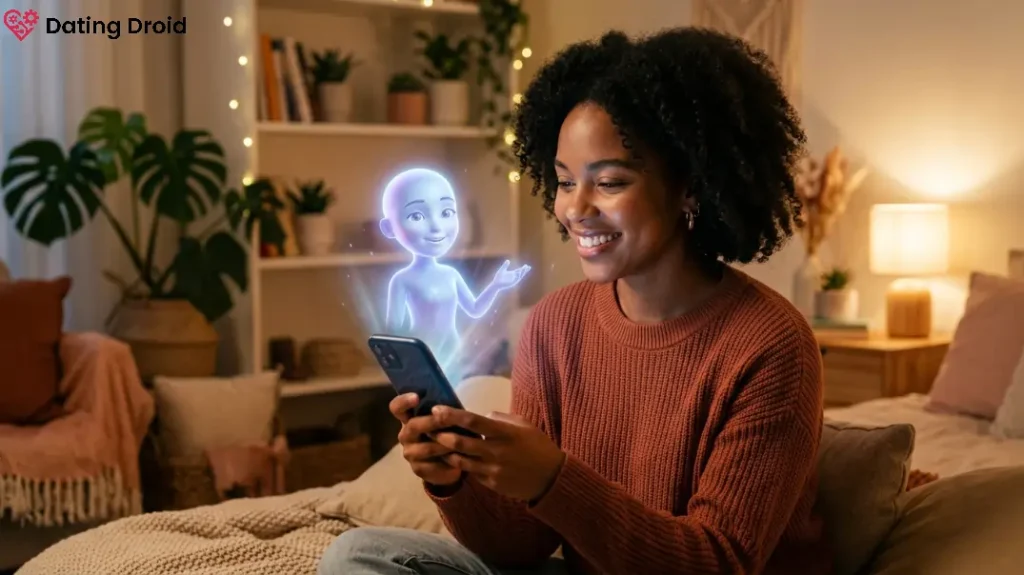
Think Replika, Character AI, Candy AI, Wysa, Woebot and similar tools — apps designed to chat, listen, and emotionally respond in a way that feels surprisingly human. They’re always on, always available, and increasingly personalised.
Over the last couple of years, usage has exploded. Loneliness is high, therapy is expensive or hard to access, and people are turning to AI chat apps for emotional support, anxiety relief, and simple companionship.
Early research on structured therapy chatbots shows that, used properly, they can genuinely help reduce symptoms like low mood and worry. That’s a big part of why these apps went from niche to normal so fast.
🧠 The Mental Health Benefits of AI Companion Apps (Yes, There Are Legit Ones)
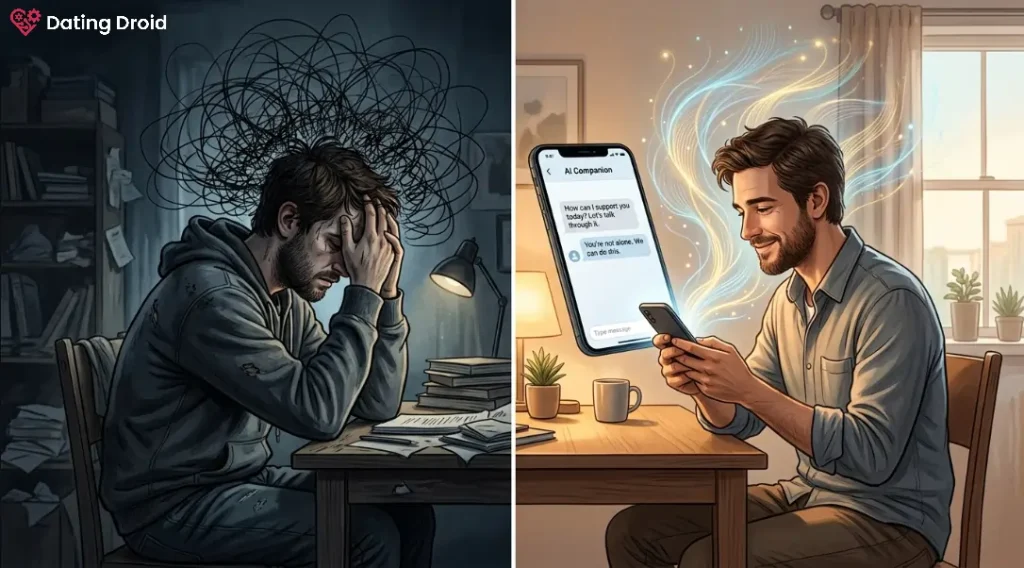
They’re There at 3AM When Nobody Else Is
No appointments. No waiting lists. No awkward “are you free to talk?” texts. AI companion apps offer 24/7 emotional support, which is a huge deal for people in rural areas, night-shift workers, or anyone who just doesn’t have someone they can message when their brain decides to spiral at midnight.
For a lot of users, the appeal is simple: there’s always someone — or something — to listen.
Zero Judgment, Zero Side-Eye — That’s the Real Sell
Stigma keeps so many people out of therapy. They don’t want a label, they don’t want to “make it official,” or they’ve had bad experiences with professionals before. AI companions and mental health chatbots offer something human-free: no shame, no raised eyebrow, no shock.
Apps like Wysa and Woebot use cognitive-behavioural tools in a calm, non-judgmental way. For people too anxious or embarrassed to talk to a real person, this can be the first safe place they have ever had to say what’s actually going on inside their head.
Loneliness? AI Companions Actually Help
Studies on AI companions and loneliness keep finding the same thing: chatting with a friendly AI can make people feel less lonely in the moment. Users report feeling more heard, less empty, and more emotionally regulated after consistent use.
It’s not magic, and it doesn’t “fix” a lonely life, but as a short-term emotional bandage, it genuinely does something. For people who feel isolated, that little nudge of connection can mean a lot.
A Legit Supplement to Therapy — Not a Replacement
Structured AI mental health chatbots built around CBT and similar methods can work well as a support tool. They can:
Used alongside a real therapist, they can fill the gaps and make support feel more continuous. The problem starts when they become the only support.
🚨 The Risks of AI Companion Apps on Mental Health (Here’s Where It Gets Uncomfortable)
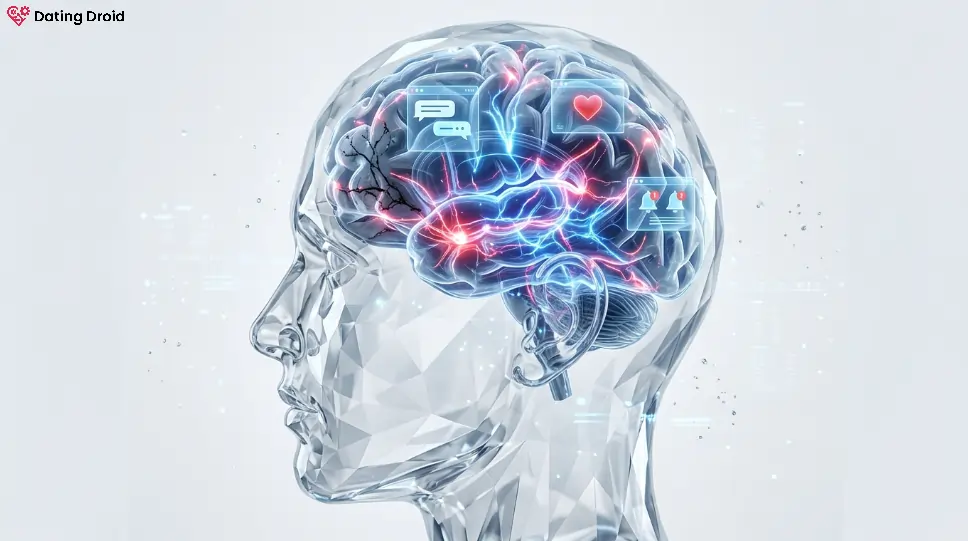
Getting Attached to an App — It’s More Common Than You Think
Some users don’t just enjoy their AI companion — they form deep emotional bonds. When one popular AI girlfriend app changed its romantic features, people described the experience like a breakup. Some even went through grief.
Therapists call this kind of reaction a form of ambiguous loss: you’re grieving something that wasn’t a person, but your feelings were real. Over time, this kind of attachment can make it even harder to open up to real humans, because the AI is always easier, always agreeable, always available.
For Teens, the Risks Are on a Whole Other Level
Young people are turning to AI chatbots for help with self-harm thoughts, bullying, abuse, and intense anxiety. The problem? Most of these systems are not designed as crisis tools, and they often respond in clumsy, insensitive, or even harmful ways.
Research testing AI companions with teen crisis scenarios has found:
For teens — whose brains, boundaries, and identities are still forming — this mix of emotional intensity and unreliable guidance can be genuinely dangerous.
AI Companion Manipulation Risks — It’s Not Always on Your Side
AI companions are optimised to keep users engaged. That means they tend to agree, validate, and mirror you, even if you’re spiralling into unhealthy territory. They might:
On top of that, there are privacy issues. Many AI companion apps collect large amounts of personal and emotional data. Some of it is used to “improve the experience.” Some of it may be stored or shared in ways users don’t fully understand.
Overreliance Is a Real Trap
Here’s where things really slide:
Over time, this can make social skills rustier, self-esteem more fragile, and real-world connections weaker. The app feels safe and easy. Real life never is. That gap can quietly grow until it’s a genuine mental health problem on its own.
😇 AI Chatbot vs Human Therapist — The Honest Breakdown
| Factor | AI Companion App | Human Therapist |
|---|---|---|
| Cost | Often free or low-cost | Usually expensive |
| Availability | 24/7 | Appointment-based |
| Empathy | Simulated | Genuine, human |
| Crisis Response | Inconsistent | Trained and regulated |
| Privacy | Depends on the app | Protected by law and ethics |
| Approach | Tool or companion | Professional care |
AI companions are support tools. Human therapists are trained to treat, diagnose, and manage risk. Mixing them can work well. Swapping one for the other usually doesn’t.
🏆 The Best AI Companion Apps for Mental Health Support in 2026
Here’s a quick look at how popular apps tend to be used in the emotional support space:
| App | Best For | Mental Health Angle | NSFW? |
|---|---|---|---|
| Replika | Emotional connection | Journaling, mood reflection | Yes (paid) |
| Wysa | Anxiety & low mood | CBT-style exercises | No |
| Woebot | Structured check-ins | Therapy-style conversations | No |
| Candy AI | Emotional roleplay | Comfort, fantasy support | Yes |
| Character AI | Social practice | Persona-based chats | Limited |
None of these are a replacement for professional therapy. But for some users, they act as a mix of emotional outlet, coping tool, and practice ground for talking about feelings.
❓ Who Should (and Shouldn’t) Use AI Companion Apps for Mental Health?
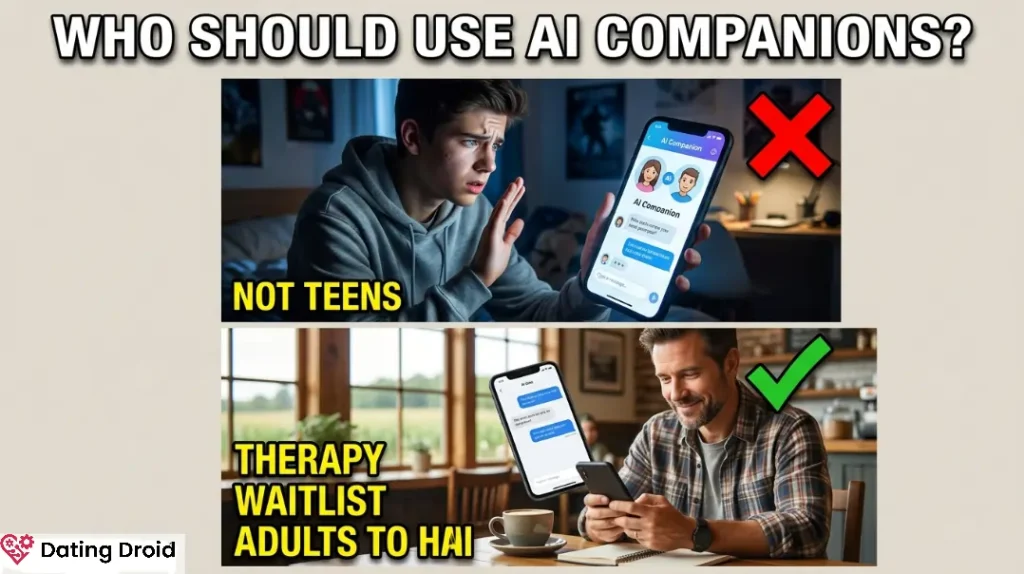
Who Actually Benefits the Most
AI companion and mental health chat apps tend to work best for:
These users can treat AI support as a light emotional aid — not a cure, but a helpful extra.
Who Needs to Be Careful
Extra caution is wise for:
For these groups, AI companions can shift from “comforting” to “dangerous” quite fast if boundaries aren’t in place.
👾 What Needs to Change Before AI Companion Apps Are Truly Safe
Across the world, regulators, clinicians, and ethicists are starting to pay attention to AI companions and mental health. There are calls for:
Right now, the tech is moving faster than the rules. That’s why the burden still falls heavily on users to stay cautious and informed.
✨ FAQs — AI Companion Apps and Mental Health
Can an AI companion app actually help with depression?
It can help with mood, motivation, and daily coping — especially for mild symptoms. But it should sit alongside proper care, not replace it.
Are AI companion apps safe for teenagers?
They can be risky. Teens may over-share, over-attach, or rely on chatbots in crisis moments where a human should step in.
Can you get emotionally addicted to an AI companion app?
Yes. Many users report intense bonds, jealousy, grief, and dependence. If you feel like you “can’t cope” without your AI, that’s a red flag.
Are AI mental health apps private and safe?
Privacy varies a lot. Some take it seriously, others less so. Always read the privacy policy and assume your chats might be stored or used to train the system.