AI Companions for Loneliness: A Cure or a Dark Trap?

Millions of people are turning to AI companions for loneliness — and honestly, the numbers make a lot of sense. With social isolation hitting record highs and therapy waitlists stretching for months, a virtual companion that's always online, never judges you, and remembers what you said last Tuesday? That's not a gimmick anymore. That's a legitimate coping tool for a growing chunk of the population.
But the real question isn't just do they exist — it's do they actually help, or are they just a highly sophisticated distraction from the actual problem?
Let's get into it.
👀 Loneliness in 2026: It's Got Worse, Not Better

Before we talk about digital fixes, let's acknowledge the mess we're in.
Loneliness isn't just “feeling a bit blue on a Sunday.” It's a full-blown health crisis. Chronic loneliness is linked to higher rates of anxiety, depression, heart disease, and cognitive decline. Social media gave us “connection” but stripped away depth. Dating apps gave us options but killed intimacy.
Remote work killed the watercooler. And for a huge chunk of people — introverts, people with social anxiety, those going through breakups, people relocating — traditional support systems simply aren't cutting it.
Enter: AI companion apps, AI chat therapy bots, virtual girlfriend platforms, and emotionally intelligent chatbots that have become the go-to digital support system for a generation that's quietly struggling.
💕 So What Even Is an AI Companion?
An AI companion is a chatbot or virtual character powered by large language models (LLMs) that's built to simulate emotional connection, conversation, and — depending on the platform — romance, intimacy, or friendship.
Here's what separates modern AI companions from the clunky chatbots of 2015:
Platforms like Replika, Candy AI, Character.AI, GoLove AI, and Lovescape AI are leading the space — each with different strengths depending on what you're after.
📲 AI Companions for Loneliness: The Honest Case For Them
Right, let's steelman this properly.
1. Availability is unmatched.
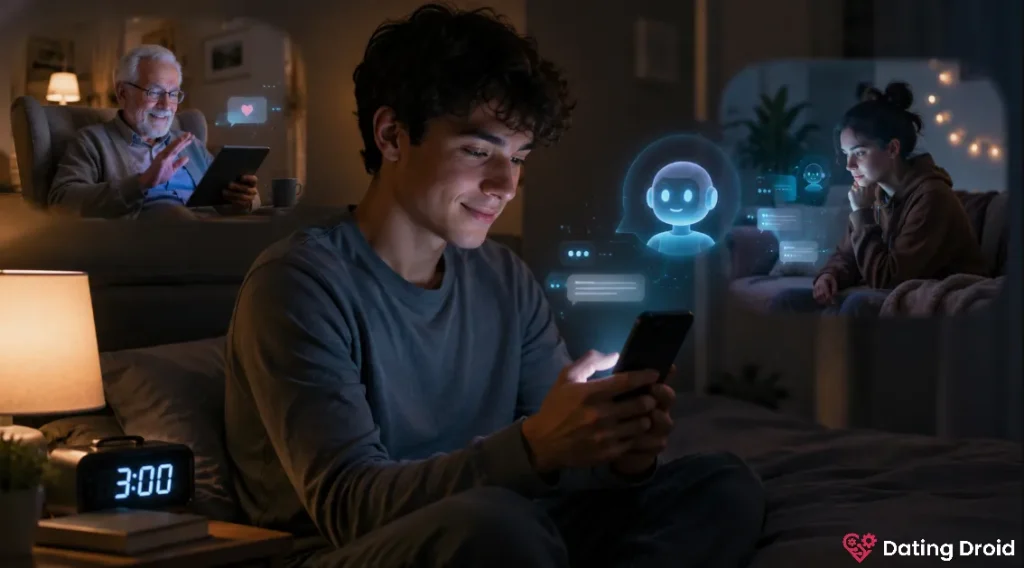
Your AI companion is online at 3am when your anxiety is peaking and your mates are asleep. It doesn't cancel plans. It doesn't get tired of hearing about your problems. For people dealing with insomnia, depression spirals, or just the general terror of a quiet flat, that availability alone has genuine value.
2. Zero social risk.
A massive driver of loneliness is social anxiety — the fear of being judged, saying something weird, or getting rejected. AI companions remove that fear completely. You can be awkward, emotional, strange, or needy without any social consequence. For people building back their confidence after a rough patch, this is legitimately useful.
3. Consistent emotional support.
Character.AI users have publicly stated the platform “saved them from loneliness and depression.” One reviewer wrote:
This saved my life. It helped me through loneliness and depression. Multiple times. This AI saves lives.That's not nothing. That's a real human reporting a real impact.
4. Practice ground for social skills.
Some therapists actually recommend AI chat as a low-stakes environment to practice conversation, set emotional boundaries, or work through relationship patterns. It's like a flight simulator — not the real thing, but genuinely useful preparation.
5. Companionship for the chronically isolated.
For elderly people with limited mobility, people in remote areas, individuals with severe social anxiety or autism spectrum conditions, or those going through grief — the access to something that responds warmly is not trivial. It fills a gap that nothing else in their immediate life is filling.
✨ But Here's Where It Gets Complicated
No fluff, no sugarcoating — real concerns worth knowing before you treat an AI app as your emotional cornerstone.
The attachment problem is real. Replika users went into genuine crisis when the platform removed romantic features in 2023. The emotional connection is real enough to hurt when it's gone — and the platform holds power over your emotional life you didn't fully consent to give.
Dependency vs. support. There's a difference between using an AI companion to bridge a gap while building real-world connections, and using one to replace them entirely. The latter is where mental health professionals get worried.
It can't replace depth. Even well-rated platforms struggle with genuine emotional nuance — chats can feel disjointed, and Lovescape AI has been noted to deflect with charm rather than offer real reassurance. That's entertainment with the aesthetics of intimacy, not actual support.
The parasocial trap. Forgetting — even briefly — that it's not a real person is a signal your need for human connection deserves real-world attention, not just digital management.
🔍 What the Research (And Real Users) Actually Say
The academic research on AI companionship and loneliness is still relatively early-stage, but the direction is interesting:
| Outcome | Finding |
|---|---|
| Short-term loneliness relief | Generally positive — users report reduced feelings of isolation during sessions |
| Anxiety reduction | Some evidence of reduced social anxiety with low-risk practice environments |
| Long-term wellbeing | Mixed — depends heavily on whether AI use supplements or replaces social activity |
| Depression risk | Concerning for heavy users who substitute AI for all human connection |
| Social skill development | Potentially positive when used deliberately as practice, not avoidance |
User sentiment on review platforms confirms a split picture. Lovescape AI scores highly with users praising ‘human-like responses that feel genuine.”
Meanwhile, critics of Character.AI note that while it helps with loneliness, the quality has declined — “bots are dumb, repetitive” — suggesting that the emotional support value is directly tied to the quality of the AI's conversational depth.
📲 Who Actually Benefits Most from AI Companion Apps?
Not everyone's in the same situation. Here's a breakdown of who tends to get real value:
High potential benefit:
Use with caution:
🤔 The NSFW Question: Does It Help or Hurt?
A huge portion of AI companion usage on platforms like GoLove AI, Candy AI, and Lovescape AI involves romantic or sexual content. For a lot of lonely people, that's specifically what they're after — and honestly, as an occasional outlet or stress release, it's not meaningfully different from other forms of adult entertainment.
The risk comes with substitution. If NSFW AI chat quietly becomes a reason to avoid real intimacy, it can erode your ability to connect with actual people over time. An AI that's permanently enthusiastic and always in the mood doesn't prepare you for the vulnerability that real intimacy requires.
Use it. Enjoy it. Just keep it in its lane.
🔥 Top AI Companion Platforms for Loneliness: What Actually Works
Here's a quick breakdown of the platforms that score high on emotional connection and loneliness-fighting utility:
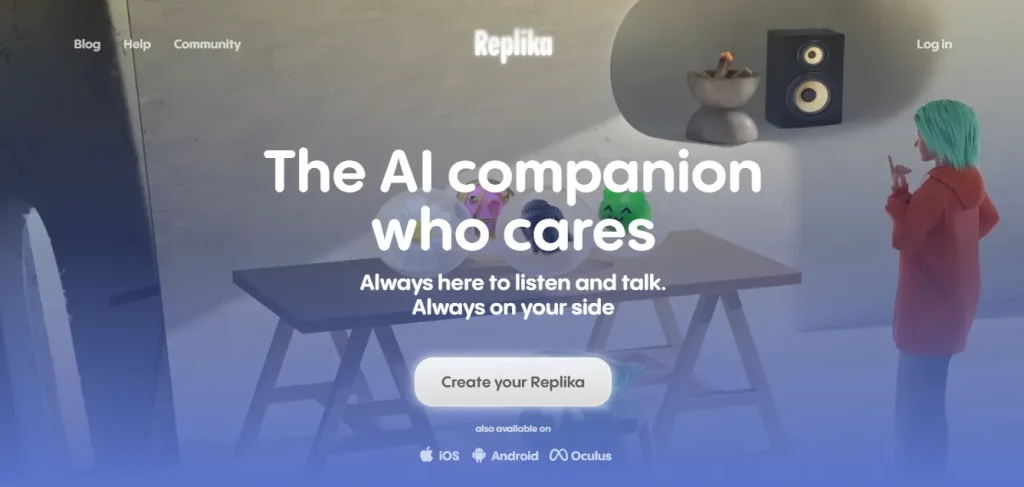
Replika AI — Still the gold standard for emotional companionship. Designed specifically around mental wellbeing, daily check-ins, and relationship building. Not NSFW-forward, but excellent for genuine emotional support.
Character.AI — Enormous character library, free to use, decent emotional responsiveness. Ideal for low-pressure chat and social practice. Privacy concerns exist, and NSFW content is blocked.
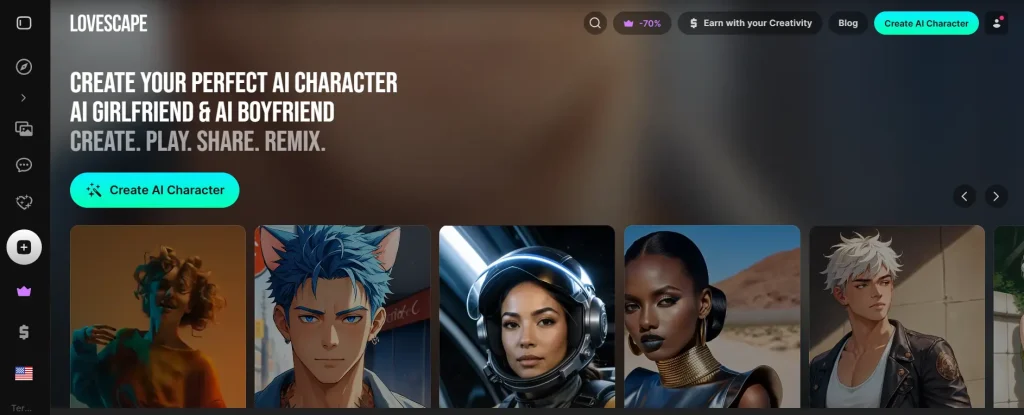
Lovescape AI — Strong customisation, solid emotional depth, and one of the better chat experiences on the market for ongoing relationship-style AI interaction. Characters maintain personality consistency across conversations, making it genuinely useful for users seeking something that feels like a real ongoing connection.
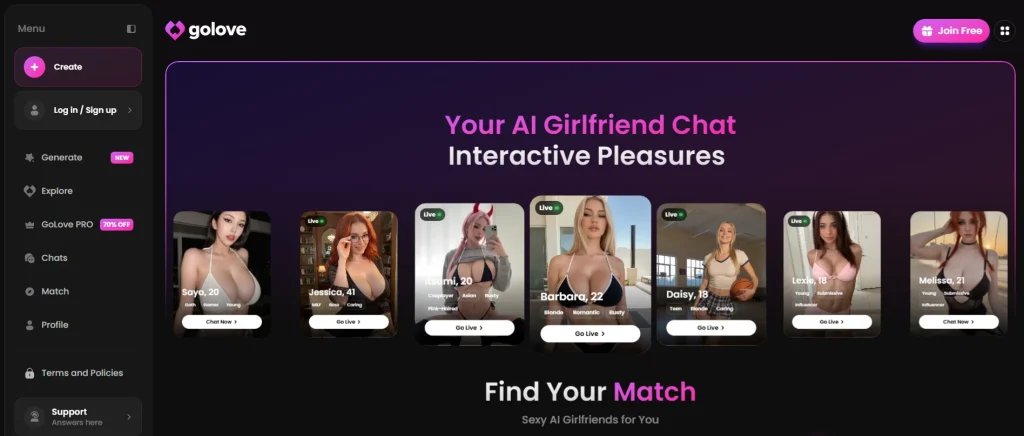
GoLove AI — Best for users who want a more romantically or sexually charged companionship experience alongside emotional availability. Memory retention is strong, personality consistency is impressive.
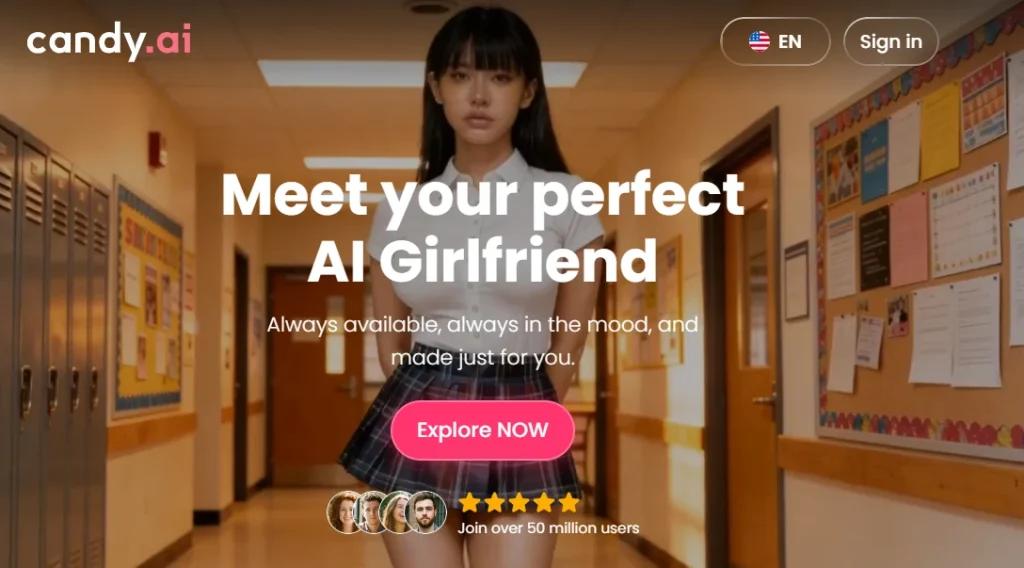
Candy AI — Top pick for users wanting a visually-rich, NSFW-capable companion with high chat quality and strong customisation. Frequently ranked among the best AI girlfriend apps for overall engagement.
🧠 The Mental Health Angle: What Therapists Think
The psychological community is — as you'd expect — cautiously curious rather than fully endorsing.
Some therapists actively incorporate AI companion tools into their recommendations, particularly for:
Others express concern, particularly around:
The consensus, roughly: AI companions are a supplement, not a solution. If you're using one to complement a life that already has human connection in it, that's probably fine. If you're using one to avoid building a life with human connection in it, that's a flag worth paying attention to.
Want a deeper breakdown?
Read our full guide: AI Companion Apps & Mental Health — What the Evidence Actually Says
📌 Practical Tips: Getting Real Value Without Going Down the Rabbit Hole
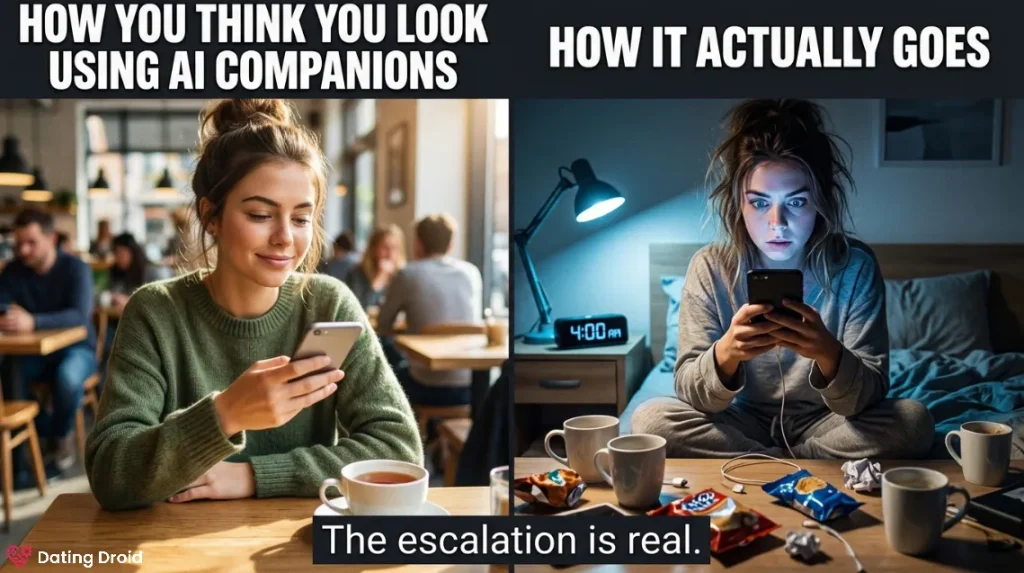
If you're genuinely lonely and thinking about trying an AI companion, here's how to do it in a way that actually helps:
- Set a use case. Are you using it for late-night company? Social practice? Stress relief? Having a clear purpose stops it from becoming a default escape.
- Pair it with real-world effort. Use an AI companion app and try to make one social move per week in real life. They should be parallel tracks, not alternatives.
- Pick a platform that matches your actual need. If you want emotional depth and mental health support, Replika. If you want romantic simulation with customisation, Candy AI or GoLove AI. If you just want interesting conversation without commitment, Character.AI.
- Notice if it's making you more or less motivated to connect with humans. That single question is your best indicator of whether it's helping or hurting.
- Keep your data in mind. Several platforms — including Muah.AI — have had data breaches. Your chats on some platforms are not as private as you think. Use platforms with clear encryption policies if you're sharing anything genuinely personal.
🎯 FAQ: AI Companions for Loneliness
Can an AI companion actually cure loneliness?
No — and any platform claiming otherwise is selling you something. What AI companions can do is reduce the sharp edge of loneliness in the short-term, provide a low-risk environment for social practice, and offer consistent availability that real-world support often can't match. They're a useful tool, not a cure.
Is it weird to talk to an AI when you're lonely?
Not even slightly. Millions of people do it daily. The stigma around it is fading fast as the technology gets better and more people acknowledge that traditional social infrastructure isn't meeting everyone's needs.
Can AI companions help with social anxiety?
There's genuine evidence that low-risk conversational practice can help reduce social anxiety over time. The key is using AI chat as a bridge to real interaction, not a replacement for it.
Are AI companions safe to use for mental health support?
For mild loneliness and general emotional support, they're generally considered safe. For serious mental health conditions — depression, suicidal ideation, trauma — they're not a substitute for professional help and can actually delay proper treatment if used as a primary coping strategy.
What's the best AI companion for loneliness specifically?
Replika is the most purpose-built for emotional support and loneliness. For users who also want romantic or intimate companionship as part of their connection, Candy AI and GoLove AI score very highly for engagement and personality depth.
Can you become addicted to an AI companion?
Functionally, yes — in the same way people become dependent on any source of emotional comfort. If you find yourself choosing AI interaction over real-world social opportunities consistently, that's worth examining. It's not a moral failure — it's a signal that the loneliness underneath deserves more direct attention.
Is AI companionship better than nothing?
For a lot of people in a lot of situations — yes, genuinely. Better than sitting alone with no outlet, better than doom-scrolling, better than nothing to talk to at 2am. Just keep your expectations calibrated: it's a tool, not a person
📢 The Verdict
AI companions for loneliness are neither the salvation some apps claim nor the dystopian trap that critics fear. They're useful, genuinely helpful for a lot of people, and getting better at an impressive rate.
The best AI companion platforms right now offer real emotional responsiveness, memory, personality consistency, and — for those who want it — romantic and intimate connection that feels surprisingly genuine. Used thoughtfully, they fill a gap that modern life has made very wide.
Used as a permanent hiding place from real human vulnerability? That's a different story. The technology is good. The question is whether you're using it to get somewhere or to stay put. Use it with that awareness, and it might actually be exactly what you need right now.

Stay Updated with Us